Polyaspartic Floor Coating for Garages and Concrete
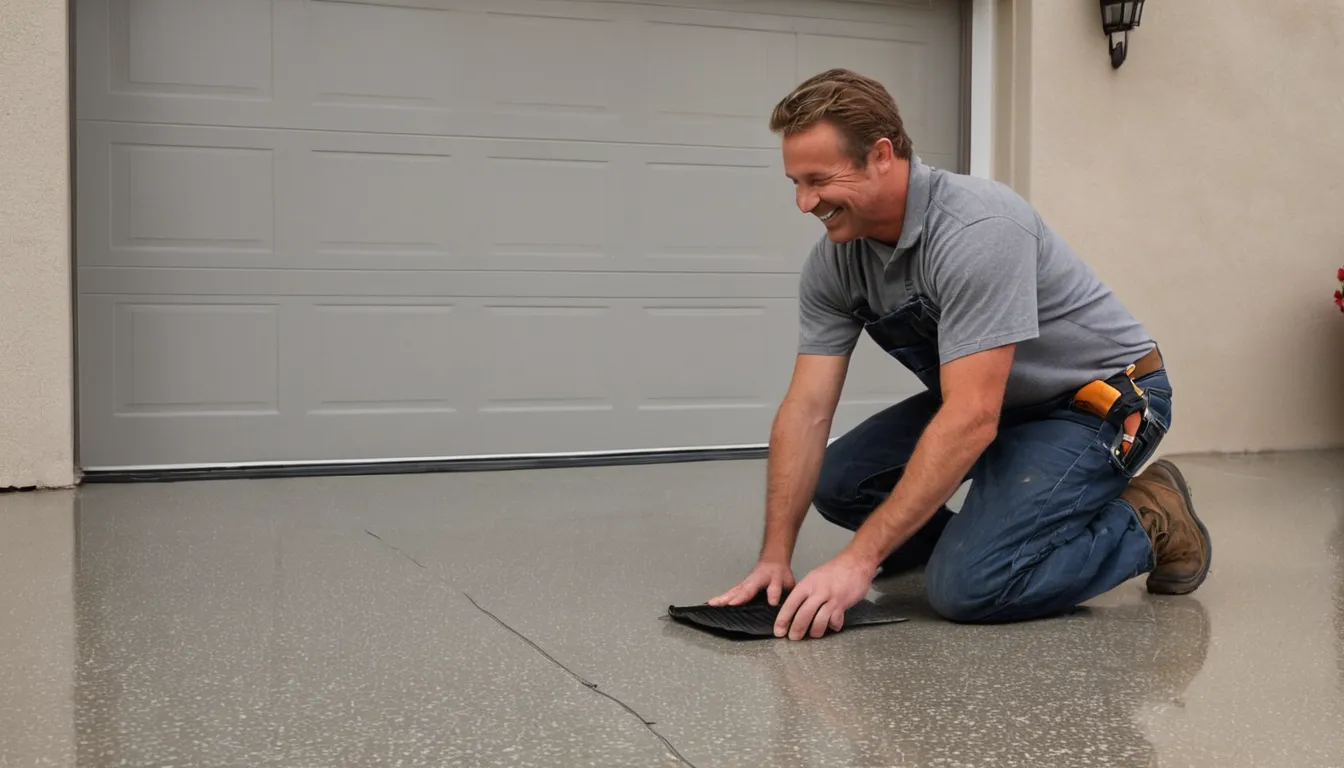
Worried about an old garage floor with stains, patches and cracks? That is common in older homes. Polyaspartic is a concrete coating that cures fast and holds up well to sun, tires and salt. It can turn a tired slab into a clean, easy-care floor.
Voyeurava Floor Coating is a referral service. We do not do the work. We connect you with an independent provider in the Firestone area who can look at your slab, explain your options and give you a written quote. You can call, or request an estimate if you prefer to write. There is no obligation to hire anyone.
Need Your Garage Back Sooner?
A torn-up garage is stressful. The cars sit outside. Boxes pile up in the hall. You just want the floor finished, and finished well.
Polyaspartic is a fast-curing concrete coating. Many providers like it because the floor can often return to use in less time than with some other coatings. The exact wait depends on the product, the slab and the weather. A local provider can give you a real timeline after seeing your floor.
Start With the Slab
Old floors, calm answers. That is how we like to begin. Older houses often have slabs that were patched, painted or sealed years ago. Oil soaks in. Hairline cracks open and close with the seasons.
A coating is only as steady as the concrete under it. So a good provider looks first, then talks. Request a callback to check provider availability in the Firestone area.
How Polyaspartic Differs From Epoxy
Both are popular for epoxy garage floors and other concrete coating jobs. They act a little differently.
- Cure time: polyaspartic sets up quickly. Epoxy usually takes longer.
- Sun: polyaspartic tends to resist yellowing in strong sunlight. Many epoxies can fade or amber.
- Flexibility: polyaspartic bends a bit with the slab. That helps in cold swings.
- Working time: polyaspartic sets fast, so the installer has less time to fix mistakes.
Neither one is right for every floor. Your provider can tell you which fits your garage.
Full Polyaspartic or Hybrid System?
You may hear two plans. A full system uses polyaspartic in the main layers. A hybrid uses an epoxy base with a polyaspartic top coat.
The hybrid can suit a slab that needs a thicker, slower-curing base. The full system can suit a sound slab where speed matters. Ask the provider why they picked one. A clear answer is a good sign.
What Older Slabs Can Hide
In an older home, the surprises are quiet ones. You might find:
- Old paint or sealer that blocks the new coating
- Patches from past plumbing or drain work
- Deep oil stains that keep rising
- Moisture coming up through the concrete
- Cracks that were filled long ago and have moved again
None of this is a reason to panic. It just means the prep matters more. A provider can test the slab and plan around what is there.
The Installation Process
The steps are simple to follow, even if the work is not.
1. The provider checks the slab and moisture. 2. The surface is ground to open the concrete. 3. Cracks and chips are filled and smoothed. 4. A base coat goes down, often with color flakes. 5. A clear top coat seals the finish.
Grinding is the key step. A coating over a poorly prepared slab can peel. Ask how the provider preps and what they do about cracks.
Where Polyaspartic Works Well
Garages are the most common use. It also suits basements, porches, patios, workshops and walkways. Its sun resistance makes it a good choice for open-front garages and covered outdoor slabs.
If you want custom floor finishes, like solid colors, flake blends or a quiet gray, many providers can offer those. Some providers in our network also work on other flooring, such as hardwood flooring installation inside the house. Mention it if you have a bigger plan.
Weather, Sun and Timing
High-altitude sun is strong. Air can be dry. Snow loads are heavy, and spring melt can leave a slab damp. Hail and wide temperature swings are part of life too.
These all matter. Coatings need the right slab and air conditions to bond. Many homeowners schedule for milder, drier weeks. Ask the provider what temperature range their product needs and how they check moisture first.
Choosing Colors and Flake Blends
Start small. Ask to see samples in your own garage light, not just in a showroom.
Flake blends hide dust, small stains and tire marks very well. Lighter floors brighten a dim garage. Darker floors show dust more. A mid-tone mix is often the easiest to live with.
Think about walls, cabinets and the color of your cars. Then pick a finish you will still like in ten years.
Coat It, Then Care
A new floor needs gentle habits to last.
- Sweep or dust mop weekly.
- Wipe up oil, salt and snow melt soon.
- Use a soft mop and a mild cleaner. Skip harsh acids.
- Put pads under jacks and heavy tools.
- Check cracks near the door once a year.
In snowy months, a rubber mat at the door helps. Ask your provider what care routine they suggest, and keep it in writing.
Questions to Ask the Provider
Bring a short list. It makes the visit easier.
- How will you test my slab and moisture?
- What will you do about old paint, patches and stains?
- Is this a full system or a hybrid, and why?
- How many coats, and how thick?
- What does the written quote include?
- What warranty terms do you offer, and in writing?
- When can I walk on it and park on it?
Take the Next Step
You do not have to figure this out alone. Request a callback and a local provider can talk through your slab, your worries and your timing.
If you would rather write it down, you can request an estimate. There is no obligation, and the provider will explain things plainly.
What's Included
Slab Check
The provider looks at cracks, stains, old patches and moisture before suggesting any coating.
Surface Grinding
The concrete is ground to open the surface so the new coating can bond well.
Crack and Chip Filling
Small cracks, chips and worn edges are filled and smoothed before the first coat.
Color and Top Coat
A base coat, optional flakes and a clear polyaspartic seal finish the job.
Typical Polyaspartic Coating Costs in the U.S.
Prices vary a lot by slab condition, size, product and region. These are typical U.S. ranges only. Older slabs with patches or stains may cost more to prepare. Always get a written quote.
| Item | Typical range | Notes |
|---|---|---|
| Two-car garage, full polyaspartic | $3,000 – $7,000 | Depends on size, flakes and prep |
| Hybrid epoxy and polyaspartic | $2,500 – $6,000 | Epoxy base with clear top coat |
| Per square foot, installed | $5 – $12 | Wide range by product and region |
| Crack and joint repair | $200 – $800 | More for older, shifting slabs |
| Old paint or sealer removal | $300 – $1,200 | Extra grinding may be needed |
| Moisture testing or mitigation | $100 – $1,500 | Testing is cheaper than fixing later |
How It Works
Call or Request
Request a callback to check provider availability, or send an estimate request about your garage.
Talk Through Your Floor
Tell the provider about stains, cracks, past repairs and how you use the space.
Review a Written Quote
The provider explains the plan and puts the price and scope in writing.
Schedule the Work
If you say yes, you and the provider choose a time that suits the weather.
Why Call Voyeurava Floor Coating
Gentle, Clear Guidance
We explain the basics in plain words, so you know what to ask before anyone visits.
Local Providers
You are matched with independent providers who work in your part of the Firestone area.
Older Home Care
We know old slabs hide surprises, so we encourage a careful look before any work.
No Pressure
Request an estimate or call. You choose, and there is no obligation.
Other Services
Need polyaspartic floor coating in Firestone?
Not sure where to start? Request a callback to check provider availability, or send a request and tell us about your floor. There is no obligation.
No obligationPolyaspartic Floor Coating FAQ
- How long does a polyaspartic floor coating last?
- With good prep and gentle care, many polyaspartic floors last a decade or more. Life span depends on the slab, the product, sun, traffic and how well the floor is kept clean. Ask the provider about warranty terms in writing.
- Is polyaspartic better than epoxy for a garage floor?
- It depends. Polyaspartic cures faster and resists sun yellowing. Epoxy can cost less and gives the installer more working time. A local provider can compare both for your slab.
- Can polyaspartic be applied over an old concrete slab?
- Often yes, if the slab is sound. The provider must remove old paint, fix cracks and check moisture first. Heavily damaged or damp slabs may need extra work before any coating goes down.
Areas we cover
Firestone Welby Broomfield Thornton Erie Windsor Arvada Louisville Berkley Lafayette Milliken Northglenn
Reach a local provider
Not sure where to start? Request a callback to check provider availability, or send a request and tell us about your floor. There is no obligation.
No obligation