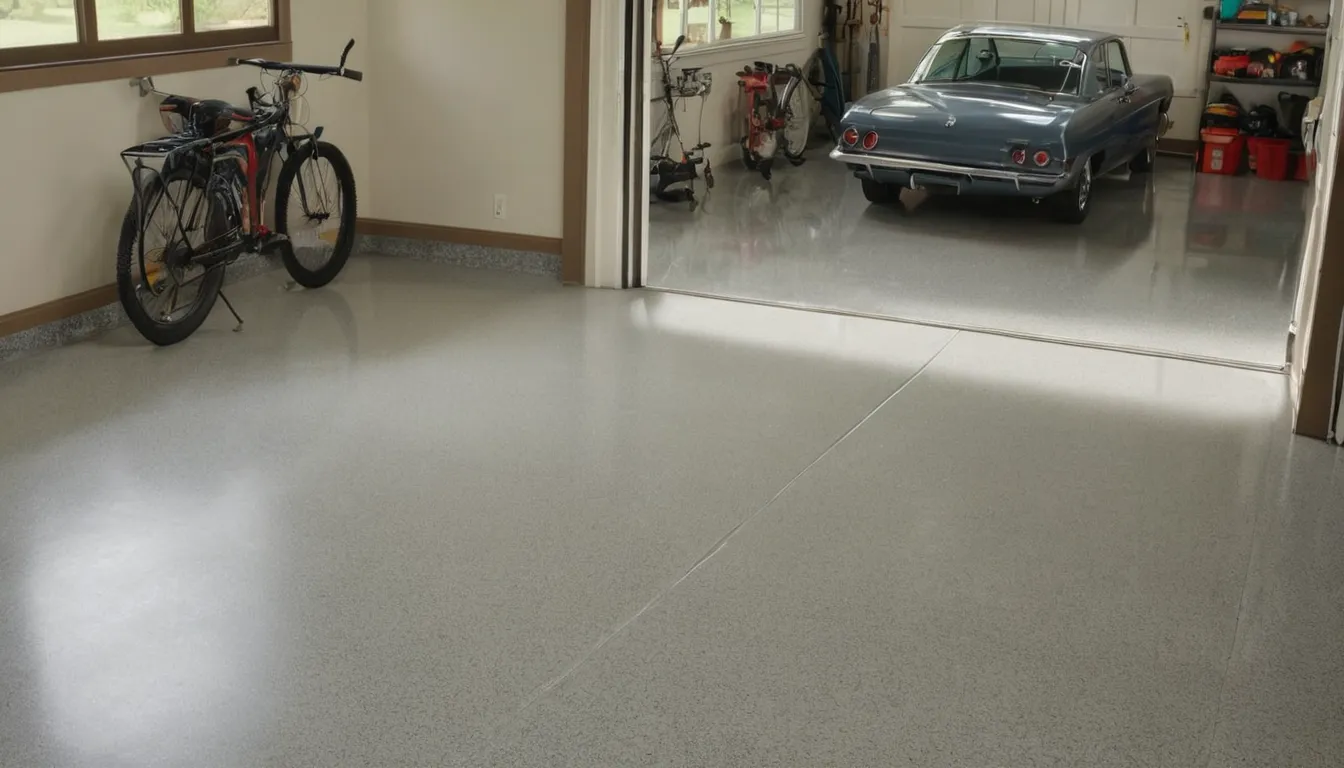
A garage floor takes a lot of wear. Cars drip oil. Winter brings snowmelt and salt. Summer sun pours through the door. In an older house, the slab may also have old paint, patched cracks or stains from years ago. It is normal to feel unsure about what is under there.
Voyeurava Floor Coating is a referral service. We do not do the work. We connect you with an independent provider in the Firestone area who can inspect the floor, talk through epoxy garage floor options and give you a written quote. You decide what happens next. There is no pressure and no obligation to hire anyone.
Garage floor looking worse? Start here
Maybe the paint is peeling. Maybe there are cracks, stains or a dusty surface that never stays clean. These are common signs that a garage floor needs attention. They are also easy to worry about.
Take a breath. Most garage floors can be sorted out with a clear plan. The first step is simply having someone look at the slab.
Why older slabs need extra care
Older garages hide surprises. The slab may have been patched more than once. It may hold old sealer, oil that soaked in years ago, or paint from a past owner. Newer frame homes can have their own quirks, but older slabs often have more history.
A good provider looks at all of this before talking about color or finish.
Prep matters more than the product
Epoxy is only as strong as the surface under it. If the slab is dirty, oily or weak, the coating can lift later. That is why most of the real work happens before any epoxy is poured.
Cracks and past repairs
Providers often fill cracks and check old patches. A loose patch can pop out under a new coating, so they may remove it and redo it.
Old paint, oil and stains
Old paint and sealer usually need to come off. Oil stains can be deep. A provider may use a degreaser, grinding or both.
Moisture in the slab
Basements and slabs can hold moisture even in dry air. A provider may test for it, because trapped moisture can cause bubbles or peeling.
Common epoxy floor systems
Not every epoxy floor is the same. Here are the kinds you may hear about.
- Solid color epoxy: a smooth, single-color coat. Simple and tidy.
- Flake or chip systems: colored flakes are scattered into the wet coat. They add grip and hide small flaws.
- Metallic finishes: swirled, shiny looks. These are popular custom floor finishes for show-off garages.
- Water-based epoxy: a thinner option sometimes used for light-duty needs.
Ask the provider which system suits a floor with your slab's age and wear.
What a typical install looks like
Every provider has their own method, but the steps are often similar. They clean the slab, then grind it so the coating can grip. Next they repair cracks and let the repairs set. Then they apply a base coat, add flakes if you chose them, and finish with a clear topcoat.
Many garage jobs take a few days, mostly because each layer needs time to cure. Ask your provider for a schedule in writing.
Topcoats and sun exposure
The clear topcoat protects the floor from scratches, chemicals and hot tires. It also matters for sun. At altitude the sunlight is strong, and a garage door left open can send hard light across the floor.
Some epoxy can turn yellow or look chalky in strong sun. If your garage gets a lot of light, ask the provider about UV-stable topcoats. Concrete coating choices differ, so ask what suits your garage.
Getting the garage ready
A little prep from you helps the job go smoothly.
- Clear out cars, shelves, tools and boxes.
- Move anything that might be hard to lift later.
- Tell the provider about leaks, past repairs or stains you know about.
- Plan where the cars will stay while the floor cures.
If the garage is attached to an older house, ask about covering the entry door area so dust stays out of the living space.
Coat it, then care
A new floor lasts longer with simple habits. Sweep or dust mop often. Wipe up oil, salt and snowmelt before it dries. Use a mild cleaner and a soft mop, not harsh chemicals or stiff wire brushes.
After hail or a heavy snow season, check the floor for chips near the door. Small chips are easier to deal with early. Ask the provider what care they suggest for your exact coating.
Protecting it through the seasons
Fast spring melt can bring water and grit into the garage. A floor mat under the car can catch drips. Avoid dragging heavy items across the coating. In time, some floors may need a fresh topcoat, and a provider can tell you when.
Questions to ask the provider
Good questions help you feel sure. You might ask:
- How will you handle my slab's old patches and cracks?
- Will you test for moisture before coating?
- Which system do you suggest, and why?
- What topcoat do you use for sun exposure?
- How long before I can walk and park on it?
- Is the quote in writing, with all steps listed?
Ready when you are
You do not have to figure this out alone. Request a callback to check provider availability in your area, or send a request and tell us about the floor.
What's Included
Slab Check
A provider looks at cracks, old patches, stains and moisture before suggesting anything.
Surface Prep
The slab is cleaned and ground so the epoxy can grip the concrete.
Crack and Patch Repair
Cracks and loose patches are filled or redone so they do not show through.
Color and Topcoat
Pick a finish, then a clear topcoat to resist wear, chemicals and sun.
What Epoxy Garage Floors Typically Cost
Prices vary by slab size, condition and finish. Older slabs with cracks, old paint or stains often need more prep. These are typical U.S. ranges only, so always ask for a written quote.
| Item | Typical range | Notes |
|---|---|---|
| Basic epoxy, 2-car garage | $1,500 – $4,000 | Simple coat on a sound slab |
| Flake or chip system | $2,500 – $5,500 | Adds grip and hides flaws |
| Metallic finish | $3,500 – $7,000 | Custom look, more skill needed |
| Crack and patch repair | $100 – $800 | Depends on how many repairs |
| Old paint or sealer removal | $300 – $1,500 | Extra prep for older floors |
| UV-stable topcoat upgrade | $300 – $1,200 | Useful for sunny garages |
How It Works
Tell Us About It
Request a callback or send a request and describe the cracks, stains or peeling in your garage.
We Make the Connection
Voyeurava Floor Coating connects you with an independent provider in the Firestone area.
The Provider Looks
They check the slab, explain your options and give you a written quote.
You Choose Calmly
Take your time, compare, and decide if and when you want to move forward.
Why Call Voyeurava Floor Coating
Old Slab Care
Providers in our network are used to patched slabs, old paint and surprises under the surface.
Plain Answers
You get simple explanations, not confusing terms or pressure.
Written Quotes
Ask each provider to list the steps, materials and price on paper.
Independent Providers
The provider does the work, and you stay in charge of your decision.
Other Services
Need epoxy garage floors in Firestone?
Not sure where to start? Request a callback to check provider availability, or send a request and tell us about your floor. There is no obligation.
No obligationEpoxy Garage Floors FAQ
- Can epoxy be put over an old garage floor?
- Often yes, but the slab must be clean, sound and dry. A provider may remove old paint, fix cracks and test for moisture first. Older slabs can need extra prep, so ask for an inspection.
- How long does an epoxy garage floor last?
- It depends on prep, product, sun and how you use the garage. A well-prepped floor with a good topcoat can last many years. Regular cleaning helps. Ask your provider what to expect.
- How soon can I park on a new epoxy floor?
- Many floors need a few days before car traffic, and full curing can take longer. Cold or damp conditions can slow it down. Ask the provider for their exact timeline in writing.
Areas we cover
Firestone Welby Broomfield Thornton Erie Windsor Arvada Louisville Berkley Lafayette Milliken Northglenn
Reach a local provider
Not sure where to start? Request a callback to check provider availability, or send a request and tell us about your floor. There is no obligation.
No obligation